


Railway Transportation
Contact our Railway Freight Experts
Share your shipment details and we will come back with a rail freight solution tailored to your needs
Typical response time: under 2 hours
Benefits of Railway Freight with TGL
Efficient for heavy and bulk cargo
Rail is the practical choice for heavy, high-volume, and oversized loads where sea transit is too slow and trucking too expensive at scale
Stable transit times
Rail freight is not affected by road congestion or weather, providing predictable transit times across long distances
High load capacity
A single train can carry significantly more than dozens of trucks, making rail the most efficient option for large-volume shipments
Asia–Europe corridor access
Rail is a practical alternative to sea freight for goods moving between China, Central Asia, Ukraine, and Europe
Railway Freight Transportation
For heavy, oversized, or high-volume cargo over medium and long distances, rail freight is often the most efficient solution — faster than sea, cheaper than air, and more reliable than road for most bulk cargo categories.
At TGL Ukraine, we organise rail freight with full awareness of gauge differences, terminal handling, and transshipment requirements between rail systems. Ukraine operates on broad gauge (1,520 mm), while the EU uses standard gauge (1,435 mm) — we coordinate this transition as a standard part of the route.
Our railway freight services include:
- Container rail shipments on Ukraine–EU and China–Ukraine/Europe corridors via the Middle Corridor (TITR) — bypassing russia
- Gauge transshipment coordination between broad-gauge and standard-gauge rail systems
- Customs clearance and rail documentation, including CIM/SMGS consignment notes
- Multimodal planning, connecting rail legs with sea, road, or air for complete delivery chains
We organise rail freight between Ukraine, EU countries, and China/Central Asia. If your cargo is suited to rail, we know how to make it work.
How We Solve Client Challenges
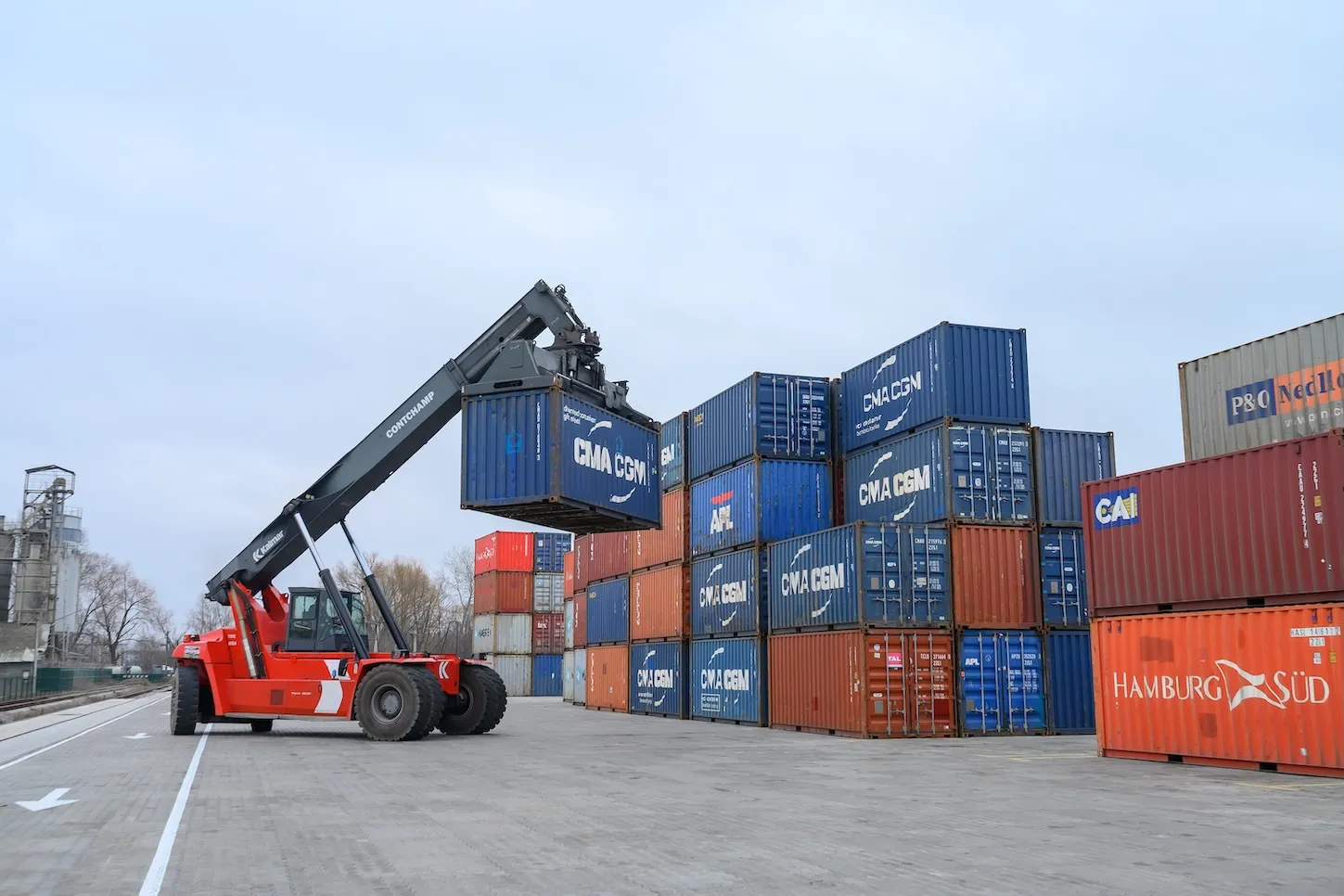
Sunflower Oil Export to China in Flexi-Tanks
A Ukrainian agricultural producer needed to organise regular export of sunflower oil to China. TGL arranged transport in flexi-tanks in 20-foot containers by rail to the ports of Gdansk and Koper, with onward sea freight to China. The team coordinated customs clearance, documentation, and port terminal liaison at every stage of the supply chain.
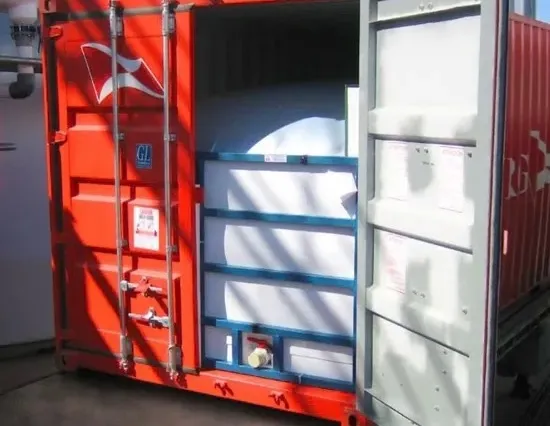
Container Import of Packaging Materials from Germany
A Ukrainian manufacturer needed regular rail deliveries of packaging materials from Germany to Kyiv in 40-foot containers. TGL organised intermodal transport via Duisburg and the Polish-Ukrainian border, coordinating rail handling, customs clearance, and final delivery to the client's facility. The result was a stable import flow with predictable transit times and lower exposure to road-side delays.
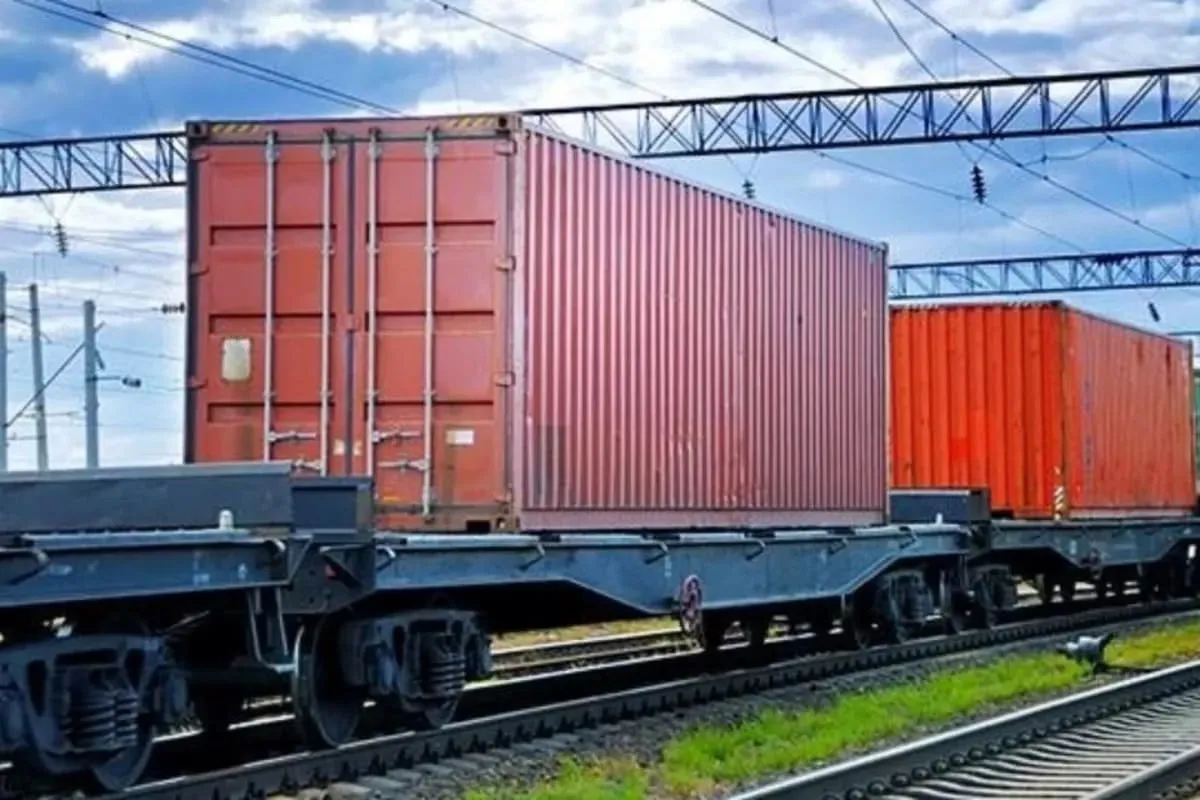
Importing Solar Panels from China via the Middle Corridor, Bypassing russia
A Ukrainian renewable-energy company imported solar panels and inverters from China under one binding condition: the route could not pass through russian or belarusian territory. TGL arranged transport along the Middle Corridor (TITR): by rail through Kazakhstan, by ferry across the Caspian Sea, through Azerbaijan and Georgia and across the Black Sea, coordinating the transshipments at each gauge change with full customs support to the client's site.
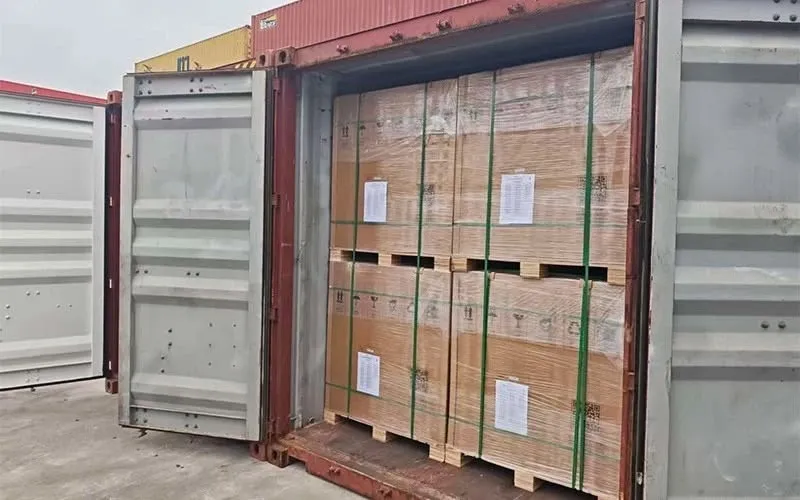
Exporting Grain in Containers by Block Train to a Baltic Port
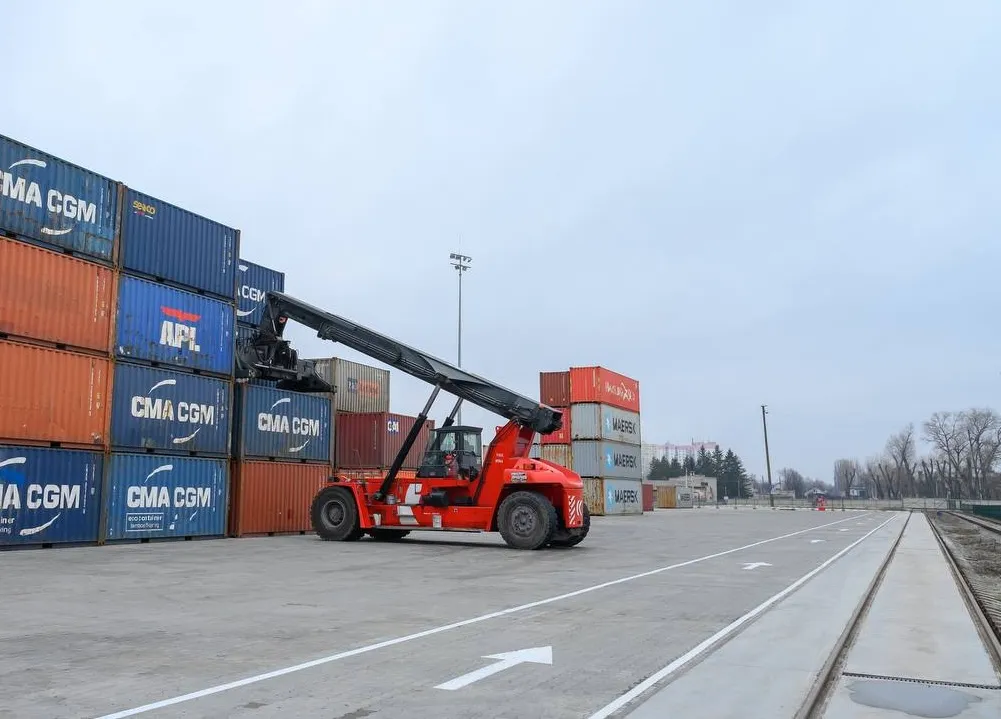
A Ukrainian grain trader lost its usual export channel when deep-sea shipments through the Black Sea came to a halt. TGL arranged transport of grain in 20-foot containers with liner bags by container block train to the port of Gdansk, coordinating the transshipment at the gauge change and reaching world markets through a Baltic hub. The result was a stable overland export channel with a predictable shipment rhythm, independent of the situation in the Black Sea.
Importing Rolled Steel from Constanța by Rail with a Bogie Exchange
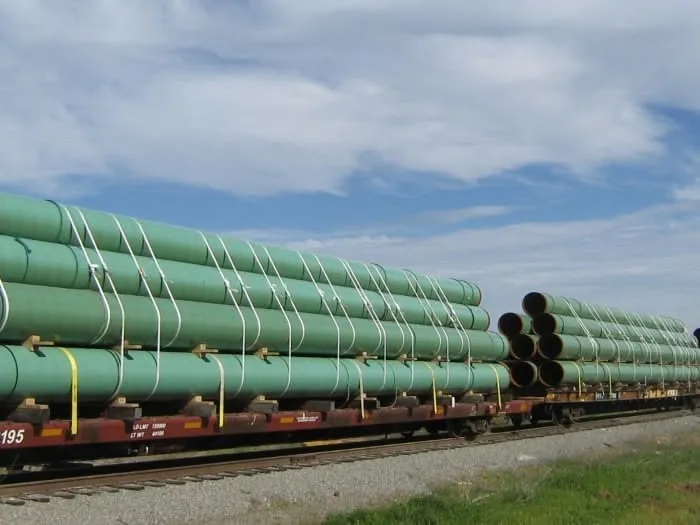
A Ukrainian steel trader was distributing coil and sheet from the port of Constanța by the truckload and kept receiving damage claims for creased coil edges. TGL arranged a rail leg with a bogie exchange at the border: the wagon is raised and moved from 1,435 mm onto 1,520 mm gauge while the cargo stays secured on the wagon and is never transshipped at all. The result: one dispatch instead of dozens of trips, fewer claims, and an import channel not tied to the Danube ports.
Frequently Asked Questions
-
Rail works well for heavy and bulk cargo: industrial equipment, steel products, construction materials, grain, chemicals, and container shipments on Ukraine–EU and China–Ukraine corridors.
-
Key directions include Ukraine–EU (Poland, Hungary, Slovakia, Romania). For China–Ukraine shipments, we use the Middle Corridor (Trans-Caspian International Transport Route, TITR) — via Kazakhstan, the Caspian Sea, Azerbaijan, Georgia, and Turkey, bypassing russia entirely.
-
Ukraine operates on 1,520 mm broad gauge, while most EU countries use 1,435 mm standard gauge. At the border, cargo is transshipped onto standard gauge wagons or bogies are exchanged. We coordinate this as part of the standard routing process.
-
Approximate transit times: Ukraine–Poland — 3–5 days; China–Ukraine via the Middle Corridor — 18–25 days depending on route conditions and cargo volume. We calculate the exact timeline for your specific shipment.
-
Depending on the route, shipments use CIM consignment notes (EU standard gauge) or SMGS consignment notes (CIS/broad gauge), plus commercial invoice, packing list, and customs documents. Our team prepares the full document set.
-
Yes, rail is well suited to some oversized cargo categories — on flat wagons or in specialist cars. Oversized shipments require advance coordination with the railway operator and a loading plan approval.
-
Rail sits between sea and air: significantly faster than sea on China–Ukraine corridors, but more expensive. The optimal choice depends on weight, transit requirements, and route availability.
-
Fill in the form below or contact us directly. Provide the route, cargo type and volume — our team will prepare a tailored proposal.