
Case Studies

Importing Rolled Steel from Constanța by Rail with a Bogie Exchange

A Ukrainian steel trader was importing sheet and coil that arrived by sea at Constanța and was then distributed by road. The scheme worked, but it cost money in two currencies at once: every vessel consignment took dozens of trucks, and every transfer added a chance of damaging a coil edge or its packaging. Damage claims at handover became routine, and the client wanted a way to bring the steel in without the cargo being touched at all between the port and the destination station.

Importing Rolled Steel from Constanța by Rail with a Bogie Exchange

A Bogie Exchange Instead of a Crane: How the Steel Arrived Without Leaving Its Wagon

We started with the nature of the cargo. A coil of cold-rolled steel weighs anywhere from eight to twenty-five tonnes, and the main risk to it is not loss or theft but mechanical damage: a creased edge, a broken band, compromised packaging. Every crane lift is both time and another chance of exactly that claim. So we framed the task differently from the usual one: not to find a cheaper leg, but to reduce the number of times anything touches the cargo.

The answer was a bogie exchange. At the border the wagon is raised on jacks and its running gear is swapped from European 1,435 mm gauge onto 1,520 mm broad gauge, while the cargo stays secured on the same wagon. This is a fundamentally different operation from the familiar crane transshipment: the steel itself never moves. The swap takes hours rather than a day and removes the damage risk at the gauge junction entirely. For containers, crane transshipment is perfectly normal, but for coil and sheet the difference shows up directly in the claims register.

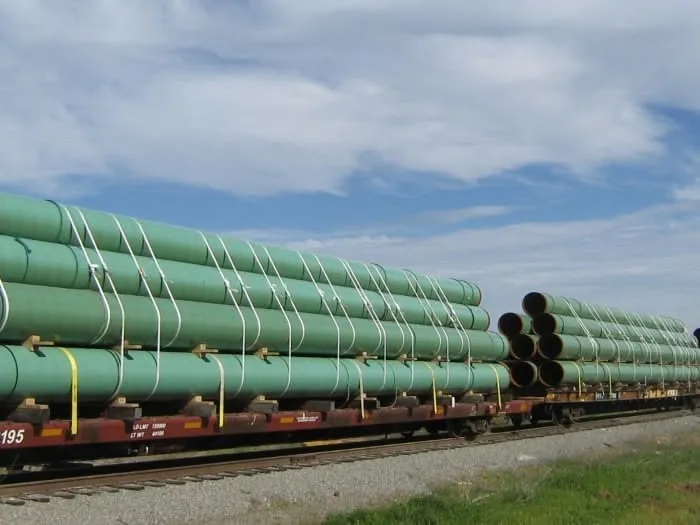
We ran the route from the port of Constanța by rail across Romania to the Halmeu–Dyakovo crossing and on to the destination station in Transcarpathia, from where the steel moved out across the Ukrainian Railways network. For sheet steel we used long flat wagons with timber decks, calculated the securing against the loading regulations and agreed the lashing plan in advance. It is also worth noting that with the opening in 2025 of the European-gauge Chop–Uzhhorod section, the western region gained a further option of bringing 1,435 mm gauge traffic directly onto Ukrainian territory, and for part of the traffic we consider precisely that.

The shipments moved under a CIM/SMGS consignment note, which exists for routes between European and broad gauge, together with the invoice, the mill test certificate and evidence of origin, and we filed the declaration ahead of arrival so the wagons would not sit at the station. The client ended up with what the road scheme could not give: one dispatch instead of dozens of trips, substantially fewer claims at handover, and an alternative import channel that is not tied to the Danube ports.

Route

Constanța → Ukraine by Rail with a Bogie Exchange

Constanța has become the principal maritime entry point for steel, equipment and project cargo bound for Ukraine, and the rail leg from the port provides what road transport cannot on large consignments: a single dispatch instead of dozens of trucks, and independence from queues at the crossings. The bogie exchange remains the gentlest way to cross the gauge junction, because the cargo is not transshipped at all, and for damage-sensitive commodities that often matters more than the cost of the leg itself.

TGL Ukraine arranges rail transport from the Black Sea ports end to end: selecting rolling stock for the specific cargo, calculating and agreeing the securing plan, coordinating the bogie exchange or transshipment at the border, issuing the CIM/SMGS consignment note, customs clearance and placing the wagons on the client's siding or destination station.

Client Testimonial

“We were used to costing steel logistics in hryvnia per tonne and for a long time failed to notice that the real money was going out through damage claims. TGL put the question differently: how many times does a crane pick up the cargo between the port and our yard. Too many, it turned out. They explained the bogie exchange simply: the wagon goes up, the bogies come off, the steel stays where it is. On the very first consignment there was no damage at all, and that settled the internal argument better than any presentation could.”

Ruslan P. — Head of Procurement at a steel trading company

Planning a rail import via Constanța?

Get a Quote