


Routes that work today
Sea. The container sails from a Chinese port to Europe (Gdańsk, Hamburg, Rotterdam, Constanța, Koper) and continues to Ukraine by truck or rail, or to Odesa and Chornomorsk with transshipment to a feeder. Sea takes any volume and any container type: reefers, open tops, flat racks for oversized cargo.
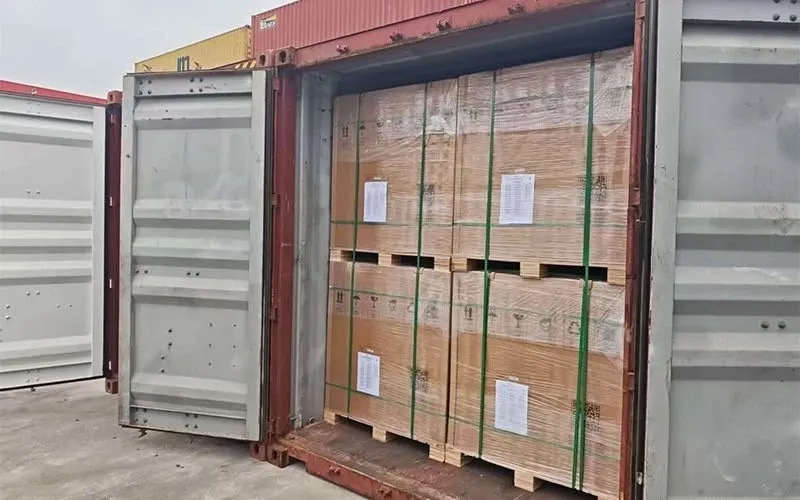
Rail via the Middle Corridor. China, Kazakhstan, a ferry across the Caspian Sea, Azerbaijan, Georgia, then across the Black Sea to Ukraine. The route avoids Russia and Belarus entirely. Our solar panel case shows what it looks like in practice.
The classic China–Europe trains run through Russia and Belarus. TGL does not use those routes.
Side by side
| Sea | Rail, Middle Corridor | |
|---|---|---|
| Transit to Ukraine | Roughly 40–60 days from sailing, including the land leg | 18–25 days |
| Cost per container | Lowest | Higher, usually noticeably |
| Transshipments | One or two: the hub port and the port of discharge | Four or five: the gauge change at the China–Kazakhstan border, the Caspian ferry, Black Sea ports |
| What can travel | Almost anything, including reefers and oversized cargo | Standard containers; dangerous goods need approval on each leg |
| What drives transit time | Line routing: Suez or around Africa | Queues for Caspian ferries and the weather |
Price the money that sits in transit
Goods you have paid for earn nothing while they travel. When comparing options, put a number on it.
Example. A shipment is worth USD 80,000. By rail it arrives 25 days earlier than by sea. Money costs your business 20% a year, whether that is a loan rate or the return you would get from turnover. Then 80,000 × 0.20 × 25 / 365 ≈ USD 1,100.
If rail costs more than sea by more than that USD 1,100, speed alone does not pay for itself. But add the profit from sales you make 25 days earlier. For goods that sell within a week, that matters. For goods that sit in the warehouse for six months, it barely does.
Seasons and deadlines are a separate case. Heaters that arrive in February, or equipment that misses a site launch, cost more than any freight difference.
When to choose sea
- large volumes of goods that are cheap for their size: furniture, building materials, packaging, household goods;
- regular supply planned well ahead, so the long transit is built into the schedule;
- you need a reefer, an open top or a flat rack for oversized cargo;
- the delivery price matters more than the date.
When to choose rail
- expensive, compact goods: electronics, equipment, spare parts;
- seasonal goods, where arriving late means selling them next year;
- a shipment needed for a project start date;
- a contract that requires a route avoiding Russia entirely, when sea does not fit the timeline.
You do not have to pick just one
A shipment can be split. Send the part you need for sales or installation right away by rail and the rest by sea. Delivery costs rise only on the urgent part, and the warehouse is not empty while the main container is on its way.
Questions to ask your forwarder before deciding
- What is the full transit to your warehouse, not just to the port or terminal?
- How many transshipments are there, and who is responsible for each?
- What does the rate include: port charges, transshipment, T1 transit, delivery to the warehouse?
- How many free days does the container get at the port and outside it?
- Does the insurance cover war risks?
The whole import process, from contract to unloading, is covered in "How to Ship a Container from China to Ukraine".