


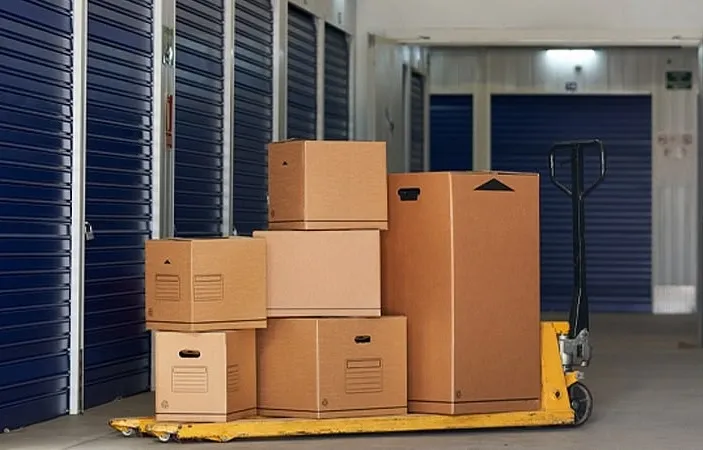
We proposed consolidating in China. The Yiwu suppliers deliver to our partner's warehouse in Ningbo, about two hours' drive away. There the cargo is received, the number of packages is checked against the packing lists, the marks are verified, and everything is combined into one consignment with one set of documents. Once a month that consignment goes into a consolidator's groupage container to Hamburg. We agreed the warehouse cut-off date with the client in advance, so the suppliers know the day by which their goods must arrive.
Measurements are a story of their own. LCL freight is charged per cubic metre or per tonne, whichever is greater. Home goods are light and bulky, so the client pays by volume. If the warehouse re-measures the cartons and the volume comes out higher than the supplier's documents say, the bill goes up. That is exactly what happened on the first consignment: in Ningbo it measured almost a cubic metre more than the suppliers had declared. Since then we ask for actual carton dimensions and for goods to be packed in five-ply corrugated cartons that can take stacking.
In Hamburg the container is unloaded at the consolidator's warehouse, and the client's cargo is picked up by a groupage truck to Ukraine. There is no need to clear the goods in Germany. Ukraine has applied the Convention on a Common Transit Procedure since October 2022, so the consignment travels under a T1 transit declaration in NCTS straight to customs in Kyiv. The range runs to several dozen items, each of which has to be classified correctly under the Ukrainian tariff. That is why we prepare the import declaration while the container is still at sea.
The store now has one delivery a month: one consolidation, one transit declaration, one customs clearance. The client knows the warehouse arrival date before the suppliers have even shipped, and plans promotions around it. When a month's volume gets close to half a container, we compare LCL with a dedicated twenty-foot container and propose whichever costs less.