


The answer turned out to be vessel size. Rather than hunting for part cargo space on a large bulker and fitting in with somebody else's schedule, we chartered a coaster of roughly five thousand tonnes deadweight for the whole consignment. A vessel this size passes the Sulina Canal and comes up the Danube to the port, which means the cargo arrives directly into Ukrainian jurisdiction with no transshipment in a foreign port. Draft was calculated in advance: the channel has seasonal depth restrictions, and the vessel is matched to the actual water level, not the figure in the pilot book.
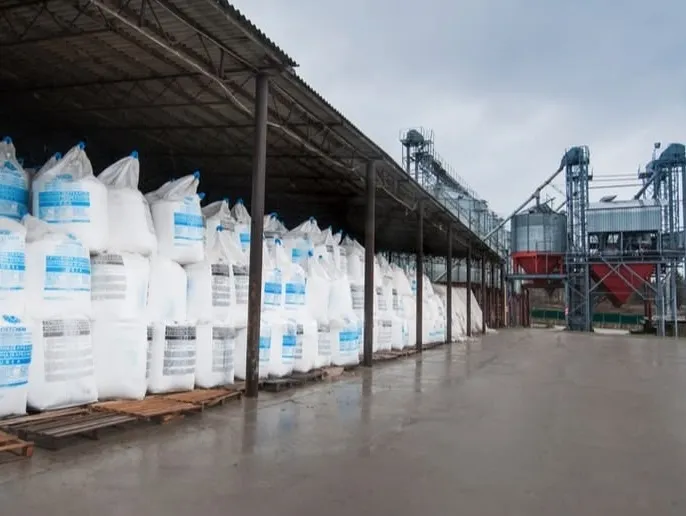
Urea is hygroscopic. It draws moisture from the air and cakes into lumps, and caked fertiliser will not go through a spreader. Grab discharge was therefore planned around the weather: work stopped during rainfall, and the cargo went straight into a covered warehouse rather than an open yard. That added a day to the discharge schedule, but the consignment reached customers free-flowing.
Bulk cargo is not weighed piece by piece; the figure comes from a draft survey, where an independent surveyor reads the vessel's draft before and after discharge and calculates the difference in displacement. We appointed surveyors for both sides, because that single number underpins the customs value and the settlement with the supplier alike. Sampling against the quality certificate ran in parallel, along with the radiological control required for mineral raw materials. Customs paperwork was prepared ahead of arrival so the vessel would not sit on demurrage waiting for documents.
From the warehouse the fertiliser moved in two streams: in bulk by tipper to the large farms, and in one-tonne big bags to smaller buyers with nowhere to receive bulk. The whole consignment was distributed in ten days. For the first time the client entered the sowing season with stock in the warehouse rather than stock in transit.