
Case Studies

Rail Line Closed: Moving Containers from Rijeka to Ukraine by Truck

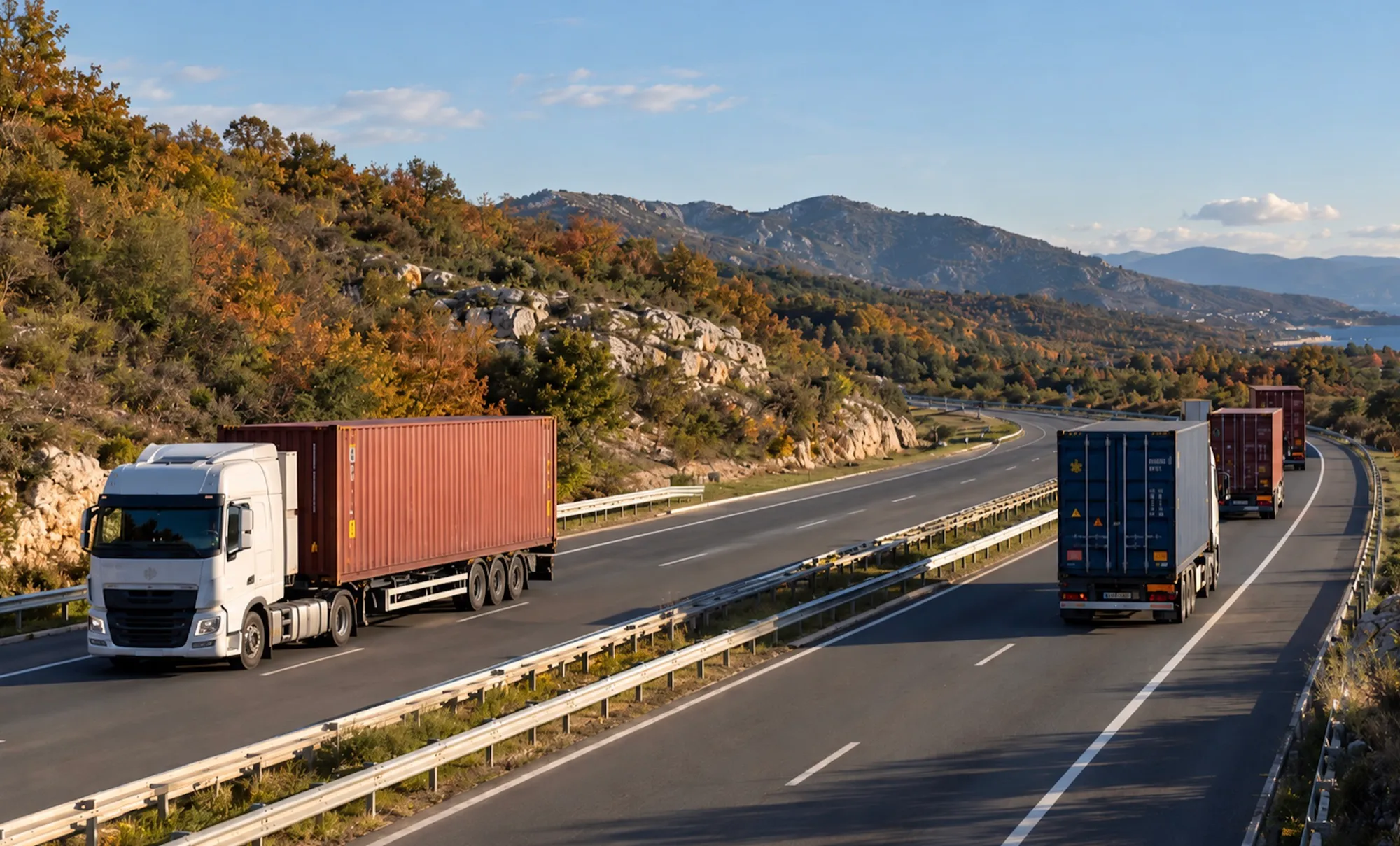
An international electronics manufacturer regularly ships goods from Asia to Ukraine with us. The routine is well established. Containers arrive by sea at Rijeka in Croatia, travel by container train to the Hungarian–Ukrainian border, and finish the trip to customs in Ukraine by truck. This time an accident on the railway between Croatia and Hungary stopped traffic for a day and a half. The client needed the goods urgently, so we did not wait.

Rail Line Closed: Moving Containers from Rijeka to Ukraine by Truck

What We Did When the Railway Stopped

A day and a half of downtime sounds manageable on paper. In practice, once the line reopens it takes several more days to clear the backlog: trains that were already held go first, and new departures wait for a free slot in the timetable. By our estimate the containers booked on the next departure would leave Rijeka several days late at best. We proposed taking them by road straight from the port. That costs more, with one truck per container and close to nine hundred kilometres to the border. The client agreed, because waiting would have cost them more.

From then on it was a question of speed. We pulled the containers from the rail booking and arranged their release with the terminal. The trucks came from Croatian hauliers with container chassis: local companies could have vehicles in place within a day, while sending tractor units from Ukraine would have lost another two or three. The goods came from a third country and moved under transit, so we re-issued the transit documents for road transport. Then the trucks set off across Hungary towards the border.

It was not smooth. The terminal released the containers in batches, so the trucks left the port one by one rather than as a convoy. The queue at the Hungarian–Ukrainian crossing did not care about our schedule either. The client got updates in pieces, and it was a tense week for everyone, us included. In the end the containers reached customs in Ukraine sooner than rail could have delivered them once traffic resumed.

Our takeaway is simple. Every rail route needs a road fallback worked out in advance: hauliers, rates, documents. Then the switch to trucks takes hours, with no last-minute hunt for transport.

Route

Rijeka → Ukraine: Adriatic Containers by Rail and Road

Rijeka is one of the closest seaports to Hungary, and for cargo from Asia the Adriatic route into Ukraine is shorter than going through the North European ports. Container trains from Rijeka run through Croatia and Hungary to the Hungarian–Ukrainian border, and from there the containers go by truck to customs in Ukraine. The weak spot is the dependence on a few rail crossings between Croatia and Hungary: any stoppage there hits the schedule immediately.

TGL Ukraine handles containers through Rijeka as a full cycle: ocean freight to the Adriatic, container trains through Croatia and Hungary, T1 transit through NCTS, road delivery from the border to customs in Ukraine, customs clearance and delivery to the warehouse. If the railway stops, we move the cargo onto Croatian or Hungarian trucks.

Client Testimonial

“Honestly, we will remember that week for a long time. We needed the goods right away, and then the railway shut down. TGL suggested trucking the containers from Rijeka straight away, and yes, it cost more. Not everything went smoothly, and sometimes we waited for updates longer than we would have liked. But the containers arrived sooner than the train would have brought them.”

Dmytro S. — Logistics Manager at an electronics manufacturer

Need a fallback for when your main route stops?

Get a Quote